Vacant listings
Why Is My House Not Selling?
Short answer
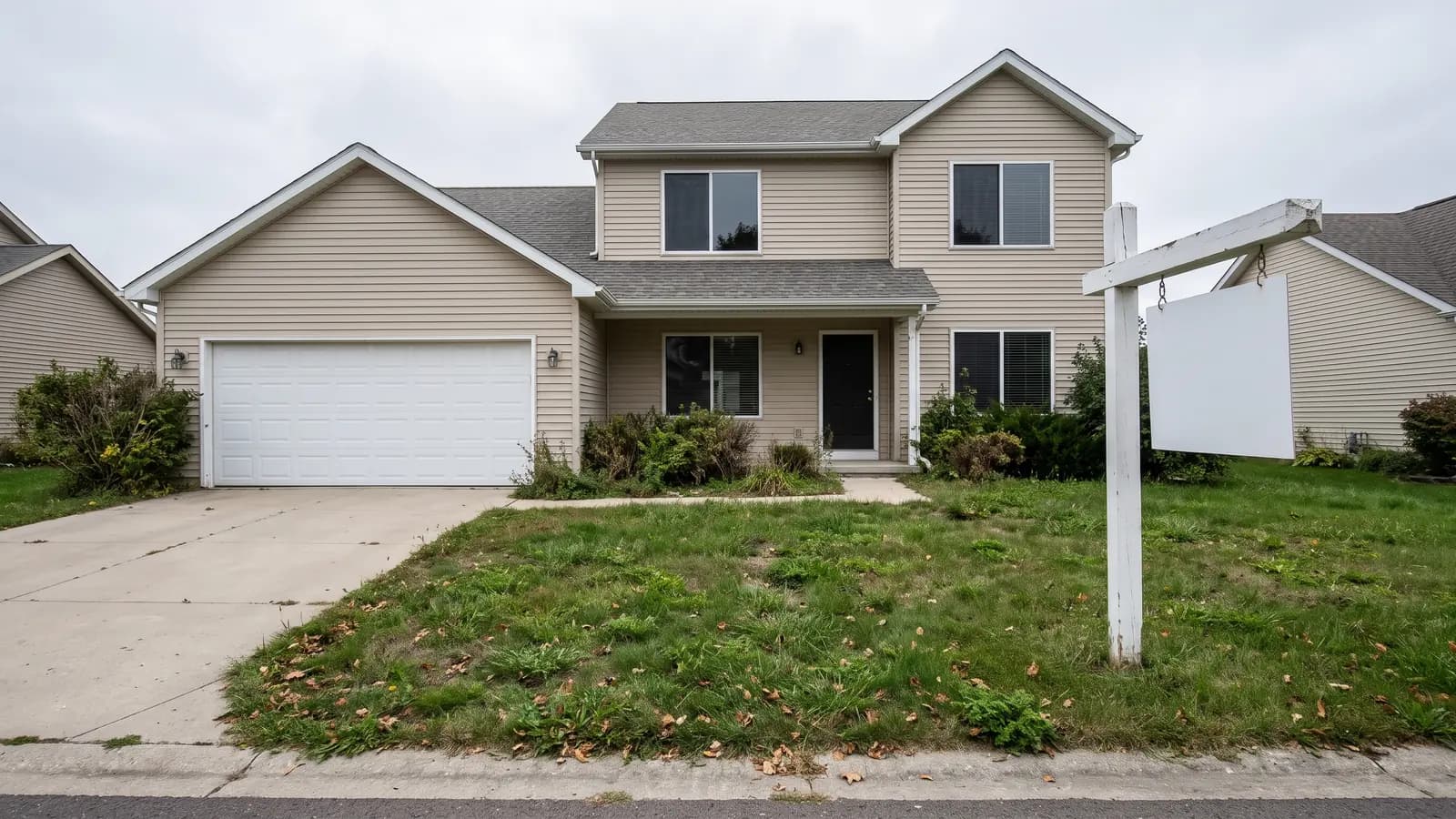
A house usually fails to sell because of price first, then weak listing photos, empty or cluttered rooms, condition, thin listing details, hard showing access, timing, low marketing reach, or a slow market. The median US listing spent 63 days on the market in October 2026, according to Realtor.com, so compare yours with the local median.
- By Moe A.
- Published
- 8 min read
Key facts
- The median US listing spent 63 days on the market in October 2026 (Realtor.com, published November 4, 2026).[1]
- 20.5% of active US listings had a price cut in October 2026 (Realtor.com).[1]
- 36% of homes that sold in October 2026 had at least one price drop, the highest share in Redfin's records (Redfin, published November 10, 2026).[2]
- The 30-year fixed mortgage rate averaged 7.18% as of November 5, 2026, against 6.22% a year earlier (Freddie Mac).[3]
- 81% of buyers who used the internet rated photos "very useful", the top-rated website feature (National Association of Realtors, April 2026).[4]
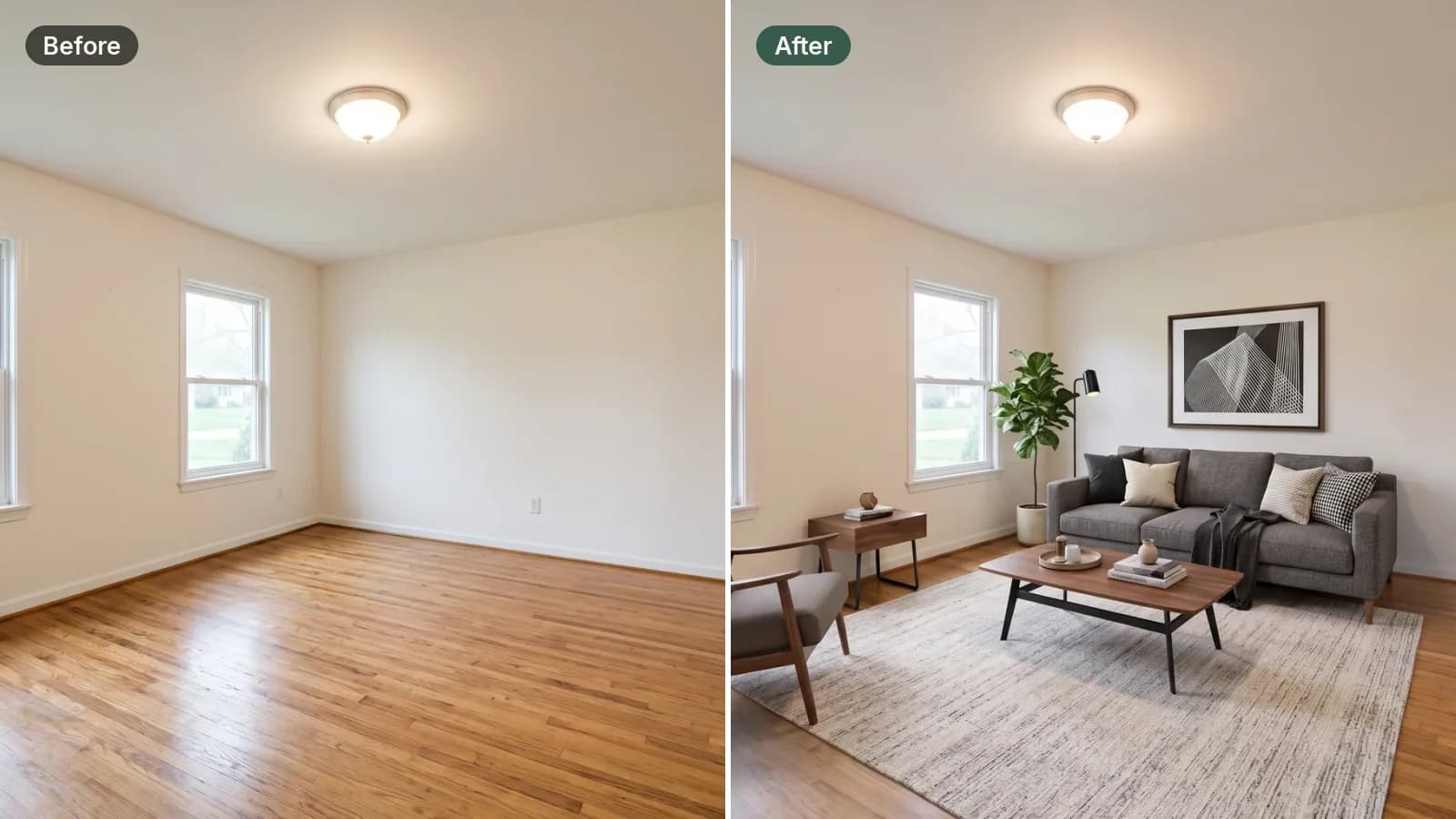
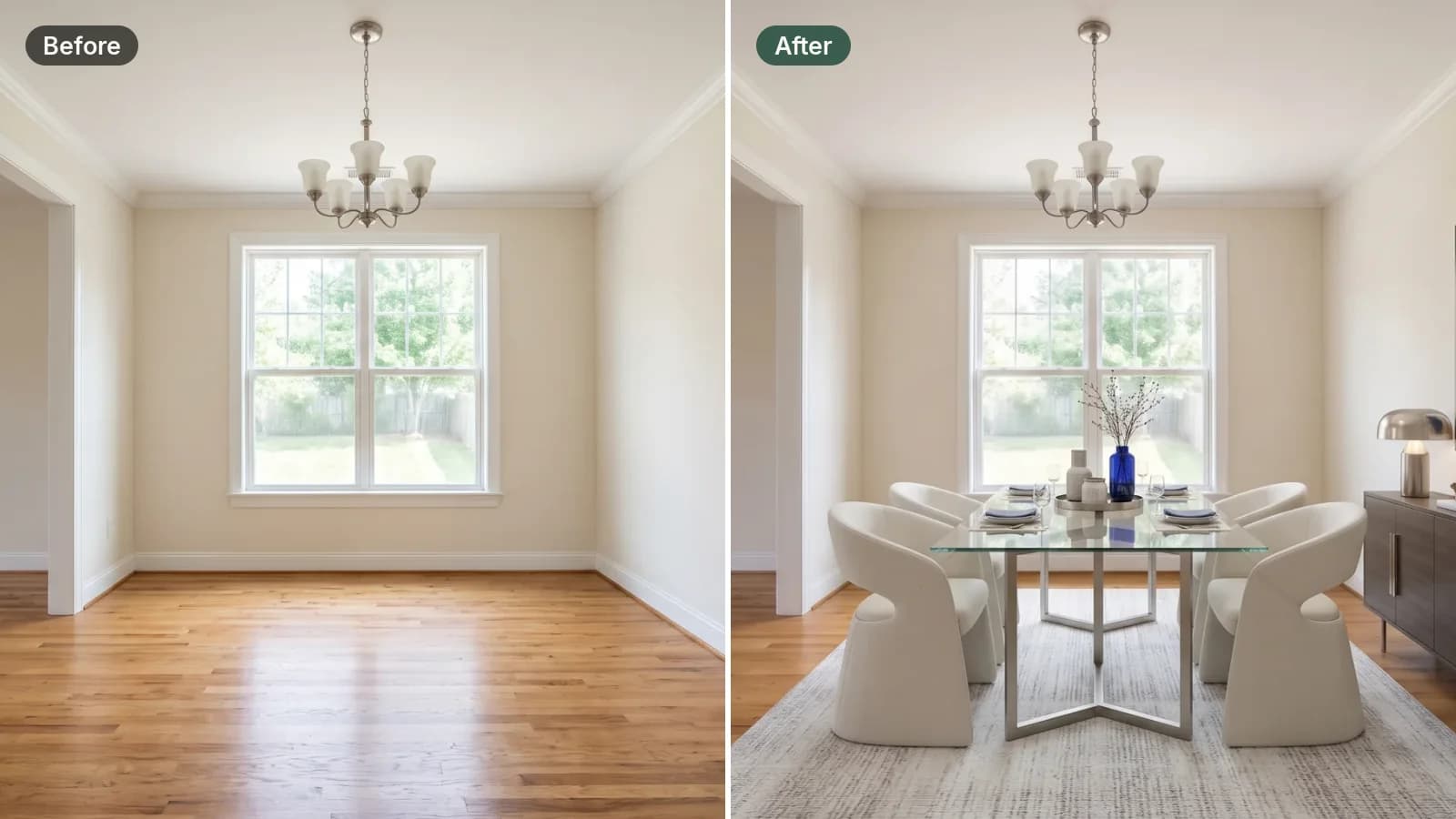
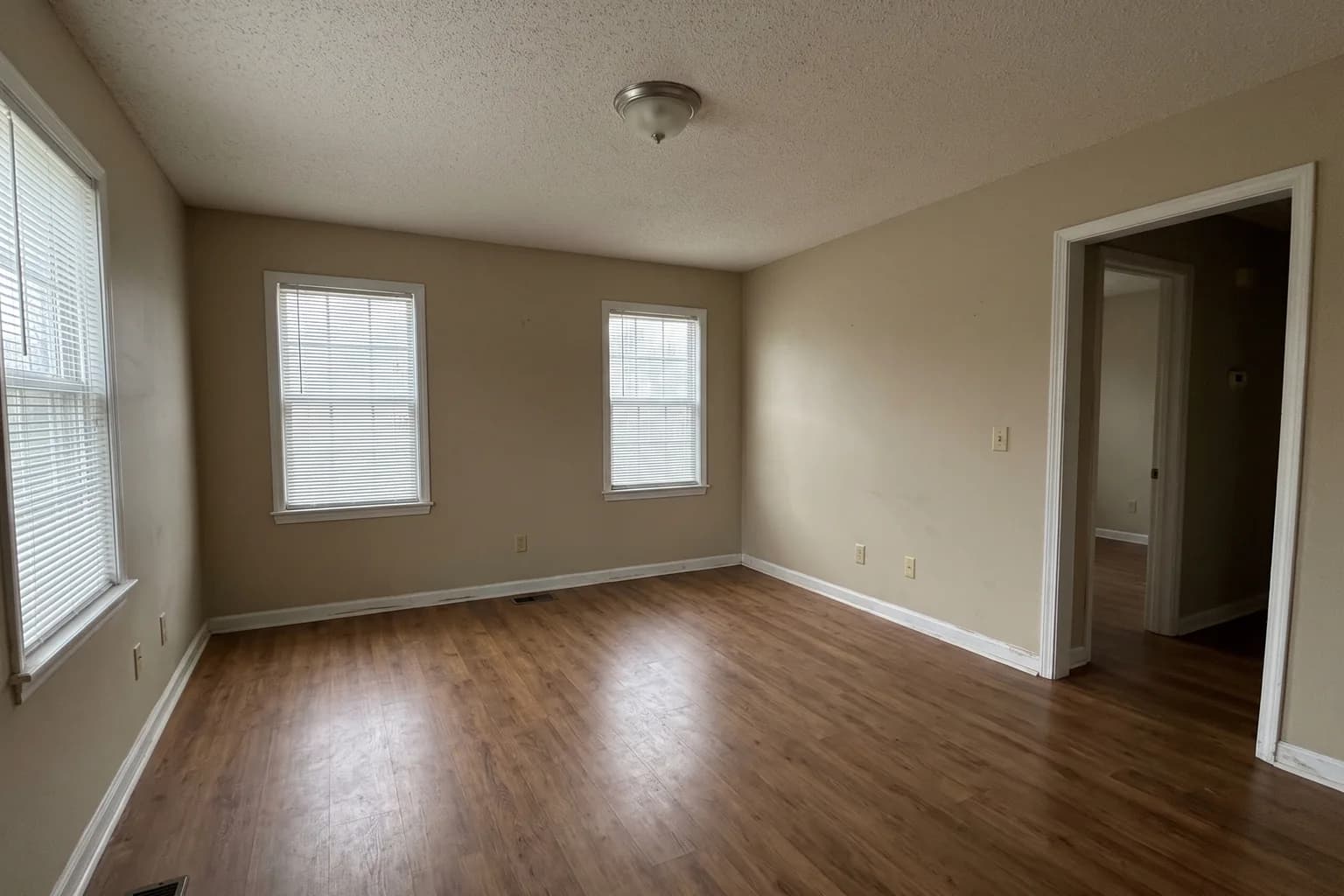 Before
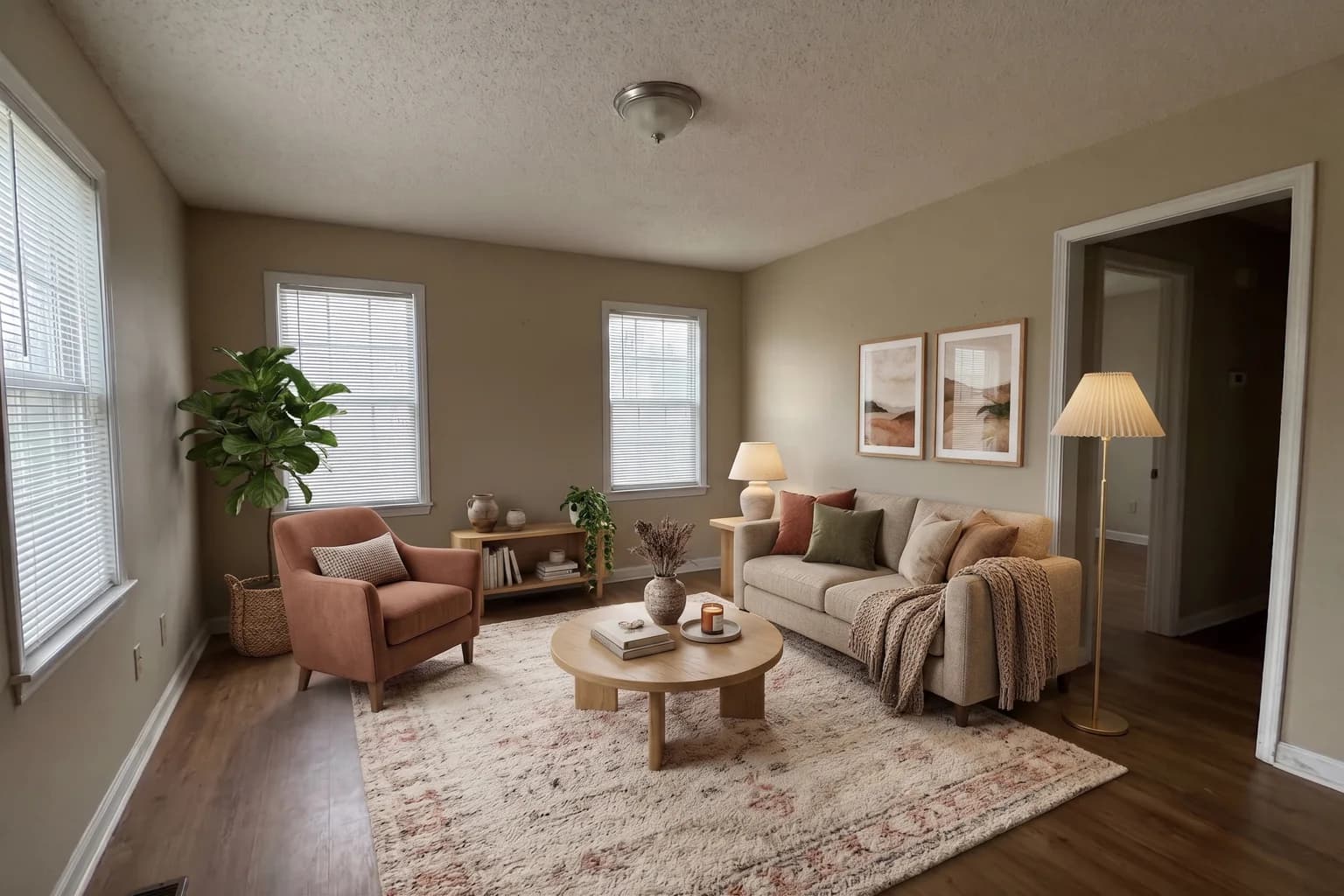 After
If your house is not selling, check the price first. Most of the time the price is ahead of what buyers will pay right now, and no photo fix repairs an overpriced listing. After price, the usual causes are weak photos, empty or cluttered rooms, condition, thin listing details, hard showing access, timing, low marketing reach and the market itself. If the photos are the weak point, start with how to photograph rooms for listing photos.
Where virtual staging fits
Virtual staging fixes one of the nine causes (empty or cluttered rooms) and helps with a second (weak photos). It does not change price, condition, access or the market, and it does not guarantee a faster sale or a higher price. See what the numbers say about staging.
How long is too long for a house to be on the market?
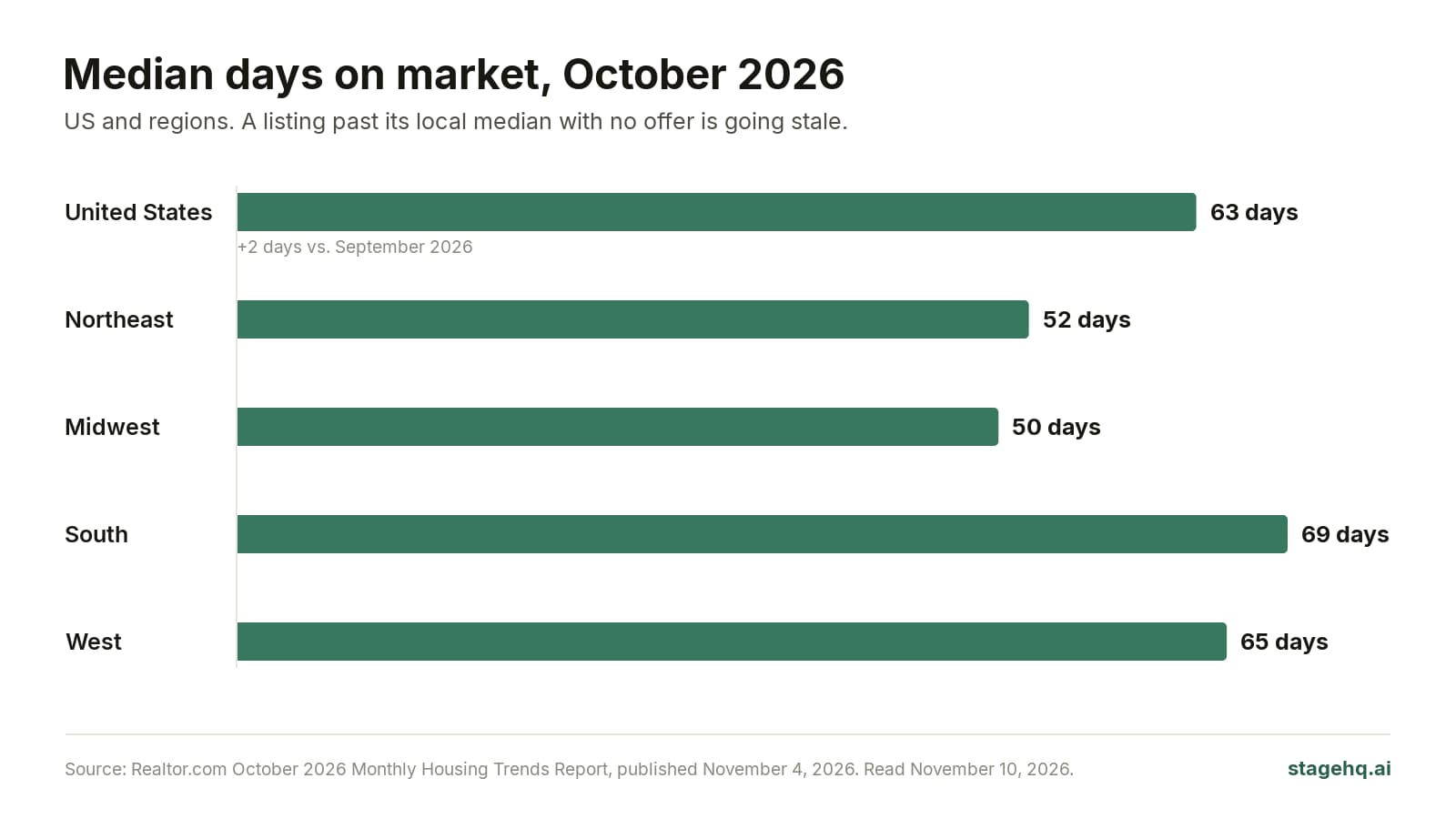
Too long is longer than similar homes near you take to go under contract. Nationally, the median time on the market was 63 days in October 2026, 2 days more than in September, according to the Realtor.com October 2026 housing report, published November 4, 2026.[1] By region it was 52 days in the Northeast, 50 in the Midwest, 69 in the South and 65 in the West.[1]
Redfin counts the days until a home goes under contract, and its median was 50 days in October 2026, per the Redfin market report published November 10, 2026.[2] Ask your agent for the median for homes like yours. Past that number with no offer, you have a stale listing, and buyers start to ask what is wrong with it.
What do your views and showings tell you?
They show the step where buyers drop out, and that step points to the cause. Buyers find the listing, book a showing, then make an offer. Ask your agent for the listing's online views, saves, showing requests and feedback. You do not have to wait two months to learn what is wrong.
| What you see | Most likely cause | Start with |
|---|---|---|
| Few online views | Buyers do not find the listing: price above their search range, weak reach, or a slow season or market | Causes 1, 7, 8, 9 |
| Views, but few showings | The listing page loses them: lead photo, empty or cluttered rooms, thin details | Causes 2, 3, 5 |
| Showing requests that fall through | Access: long notice, short hours, tenants or pets | Cause 6 |
| Showings, but no offers | In person, the home does not match the price or the photos | Causes 1, 4 |
| Only low offers | Buyers are telling you the price | Cause 1 |
What are the nine reasons a house does not sell?
The nine reasons are price, photos, empty or cluttered rooms, condition, listing details, showing access, timing, marketing reach and the market. They are in the order we would check them. Stop at the first one you cannot rule out.
1. The price is too high
Buyers compare your price with every other listing in their search before they open a photo. Price cuts are common: 20.5% of active listings had one in October 2026,[1] and 36% of the homes that sold that month had at least one price drop, the highest share in Redfin's records.[2]
- How to check: Ask your agent for similar homes that went under contract in the last month or two. If they found buyers while yours sat, price is the cause.
- The fix: Make one clear cut to where recent contracts are, not a series of small ones. Mind search brackets: a home at $405,000 is invisible to a buyer whose search stops at $400,000.
2. The listing photos are weak
For most buyers, the photos are the listing. In the National Association of Realtors' 2026 Generational Trends report (April 2026), 81% of buyers who used the internet rated photos "very useful", more than any other website feature, and 52% of all buyers found the home they bought on the internet.[4]
- How to check: Open your listing on a phone next to three competing listings and compare the lead photos. Dark rooms, leaning walls and closed blinds are reasons to scroll past.
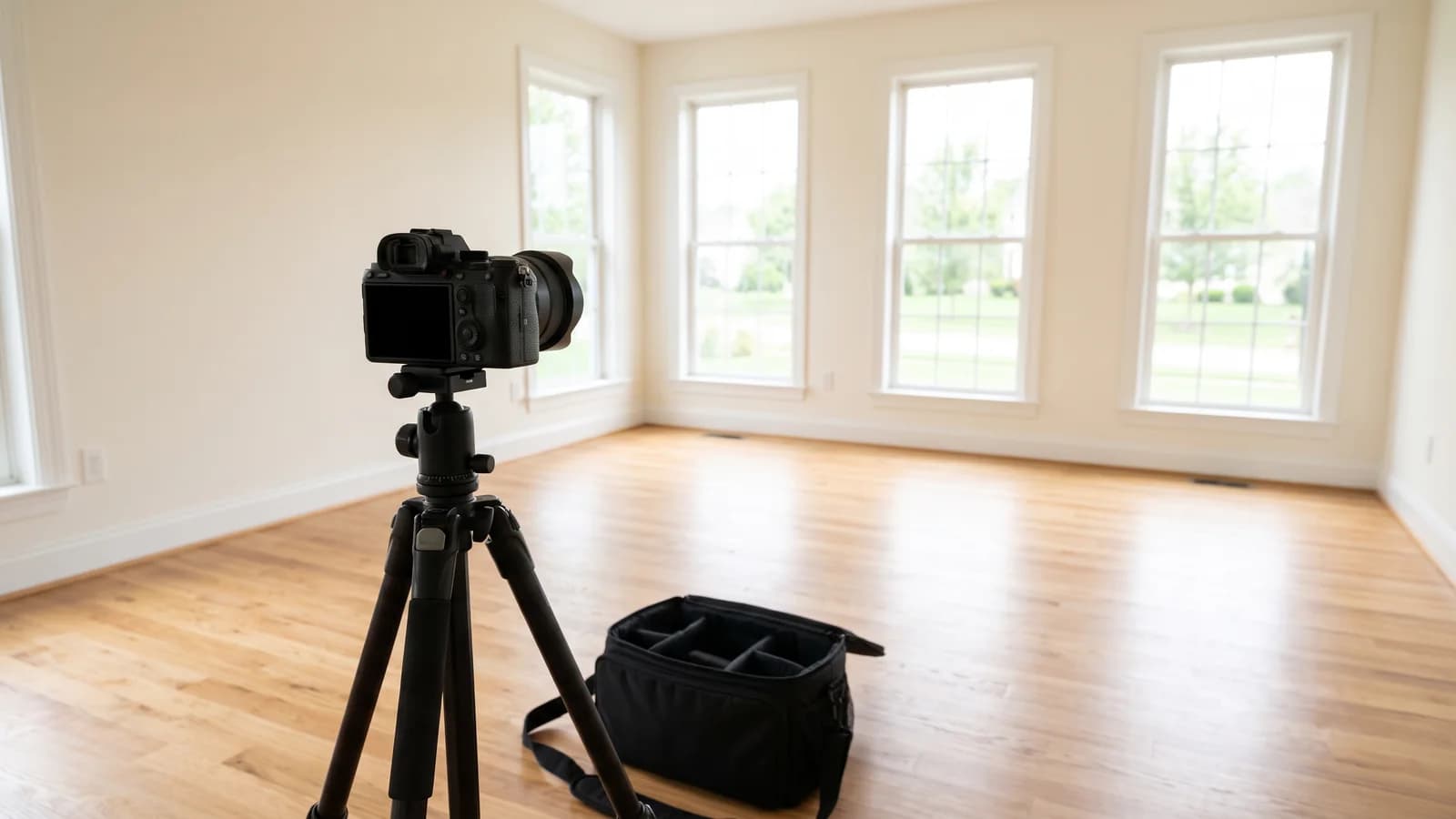
- The fix: Reshoot. Open every blind, turn on every light, hold the camera level at chest height, and shoot from the doorway so the floor and two walls show. Put the best room first. A professional shoot of a home of about 2,000 sq ft costs $197 at the median of the 24 US price lists in our real estate photography pricing survey (November 2026).
3. The rooms are empty or cluttered
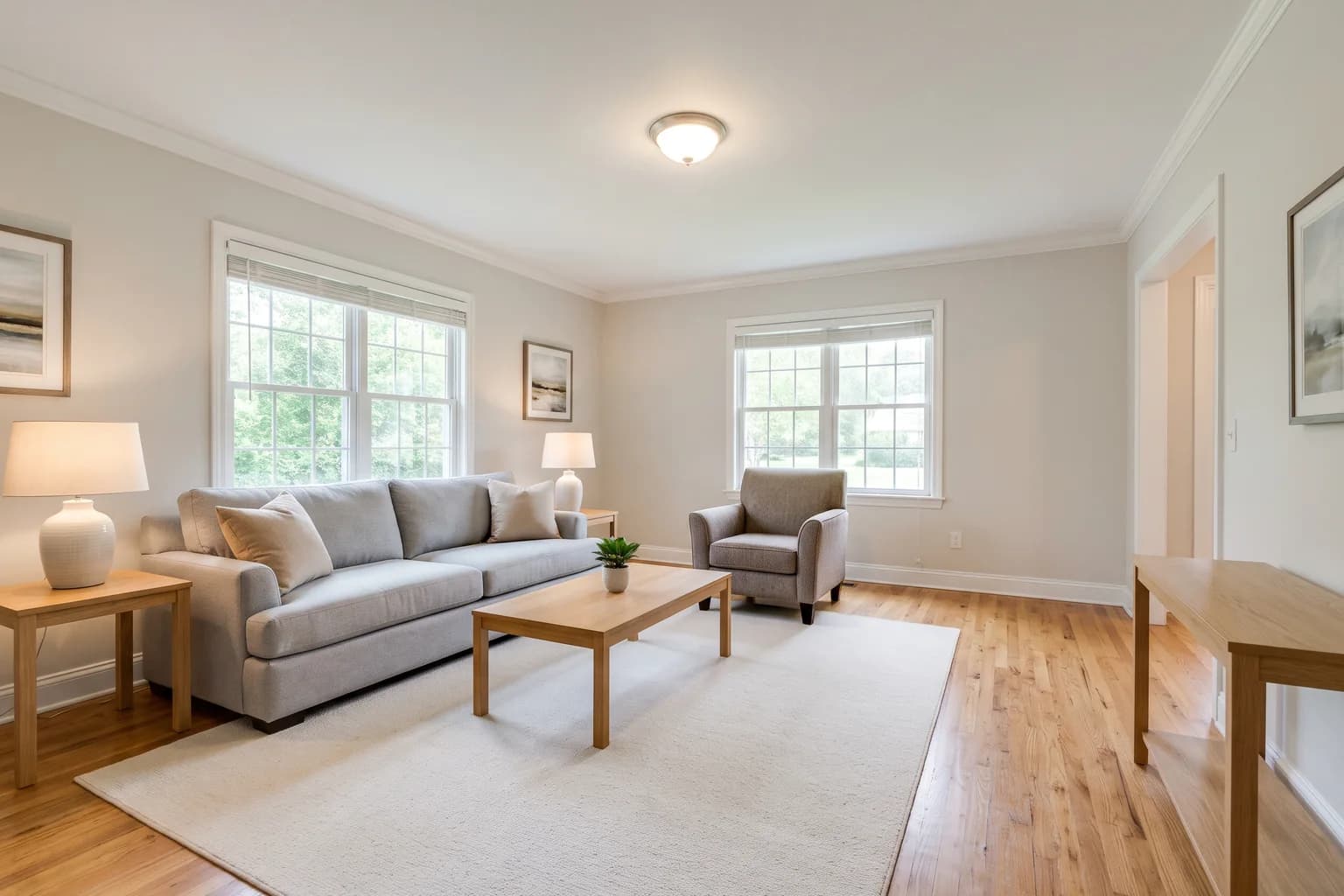
An empty room photographs as a blank box, so buyers cannot judge its size. A cluttered room has the opposite problem: buyers see your things, not the space.
- How to check: Count the photos that show only bare floor and blank walls, or surfaces covered with belongings.
- The fix: In an occupied home, pack up half of what is on show before the reshoot. In a vacant one, rent furniture or stage the photos virtually. Our post on vacant home staging compares the options.
This is the cause that virtual staging solves. StageHQ turns a photo of an empty or furnished room into a staged listing photo in about a minute, and Remove furniture mode clears a cluttered or dated room first. The virtual staging cost guide compares methods and prices. Label staged photos as virtually staged and check your MLS's rules.
4. Condition and repairs
Buyers forgive dated finishes at the right price. They do not forgive neglect, because one visible problem makes them expect hidden ones. In October 2026, 14.9% of pending sales fell out of contract, and Redfin names inspection issues as one reason.[2]
- How to check: Read the showing feedback for repeated words: smell, damp, roof, carpet.
- The fix: Repair what is cheap and visible: leaks, stains, dead bulbs, peeling paint, the yard. Deep clean. For a large item, get a quote, then fix it, offer a credit, or price it in. Do not hide a defect in the photos.
5. The description and listing details
Buyers filter before they browse. A wrong field can remove your home from their results, and a vague description gives them no reason to book. In the same NAR report, 57% of online buyers rated floor plans "very useful".[4]
- How to check: Compare every field with the facts: bedrooms, bathrooms, square footage, year built, HOA dues, the map pin.
- The fix: Correct the fields, add a floor plan, and rewrite the description with specifics that photos cannot show, such as the age of the roof. Describe the home, not the buyer you imagine.
6. Showing access
A buyer who cannot see your home this weekend will see another one.
- How to check: Ask how many showing requests were declined or rescheduled, and how much notice you require.
- The fix: Accept short-notice showings, widen the hours, and plan ahead for pets and tenants.
7. Timing and season
Fewer buyers shop in late fall and over the holidays. Realtor.com describes October's 2-day rise in time on the market as a seasonal step-up.[1]
- How to check: Compare your days on market with the local median for this month, not for spring.
- The fix: Keep the photos in season, and decide with your agent whether to hold the price through the slow weeks or cut now.
8. Marketing reach
The large portals take most of their listings from the MLS, the shared database that agents use. In NAR's 2026 Profile of Home Buyers and Sellers (published November 5, 2026; sales from July 2025 to June 2026), 92% of sellers used an agent and 5% sold by owner.[5]
- How to check: Search for your address on Zillow, Realtor.com and Redfin. Confirm that each shows every photo and the right price.
- The fix: If you sell by owner, a flat-fee MLS listing puts the home in front of buyers' agents. With an agent, ask for a written marketing list with dates.
9. Market conditions you cannot change
Sometimes the listing is fine and the buyers are missing. The 30-year fixed mortgage rate averaged 7.18% as of November 5, 2026, against 6.22% a year earlier, per Freddie Mac's weekly survey.[3] Pending home sales in October 2026 were 15.1% below a year earlier.[2]
- How to check: Ask how many similar homes near you went under contract this month. If they are all sitting, the market is the cause.
- The fix: Your levers are price, terms and time: price for today's buyers, offer help with closing costs, or wait if you can. Better photos do not bring back buyers who cannot afford the payment.
What should you do when your house is not selling? A 14-day plan
Find the cause in the first week, fix it, then publish every change on one day in the second week.
- Day 1: Get the numbers: views, saves, showings and feedback since launch, plus the local median days on market.
- Day 2: Find your row in the symptom table and name the likely causes.
- Day 3: Review the price with your agent against recent contracts. Decide: hold, or one clear cut.
- Days 4-5: Fix what is cheap and visible, and deep clean.
- Day 6: Pack up clutter. For a vacant home, choose how to furnish the photos.
- Day 7: Reshoot in daylight, blinds open, lights on. Stage the empty-room photos and label them.
- Day 8: Correct the listing fields and rewrite the description.
- Day 9: Open up access: shorter notice, longer hours.
- Day 10: Publish it all on one day: photos, description and any price change.
- Days 11-14: Hold an open house and watch the same numbers. If views rise but showings do not, go back to price.
Should you lower the price or take it off the market?
Cut the price when the evidence points to price. Relaunch with new photos when it points to the listing page. Many stale listings need both on the same day.
| Choice | When it fits | What to know |
|---|---|---|
| Cut the price | Few views, showings with no offers, or low offers | The strongest lever. A 1% cut on the October 2026 median list price of $415,000 is $4,150[1] |
| Relaunch with new photos | Views but few showings, weak or empty-room photos, and a price that matches recent contracts | Costs far less than a price cut. It does not work when price is the cause |
| Take it off the market | You can wait, or repairs will take weeks | About 4.4% of active listings were delisted in October 2026[1] |
New photos can replace the old ones in your current listing. Do not withdraw and relist only to hide the history: rules on days on market differ by MLS, and buyers can see the price history on the portals. This is general information, not legal or financial advice.
Fix the empty-room photos first
Upload a photo of an empty or cluttered room and see it staged in about a minute. You get 3 free watermarked previews, then prepaid packs from $19 for 20 photos. No subscription required.
How we know
On November 10, 2026 we read the October 2026 housing reports from Realtor.com (published November 4) and Redfin (published November 10), Freddie Mac's mortgage survey of November 5, and two National Association of Realtors publications: the 2026 Generational Trends report (April 2026, buyers from July 2024 to June 2025) and the 2026 Profile news release (November 5). The symptom table and the 14-day plan are our own editorial framework, not statistics. The photo shoot price is from our own reading of 24 public US price lists, and StageHQ prices come from our own price list, both on the same date.
Co-founder of StageHQ. Last updated .
Sources
- October 2026 Monthly Housing Trends Report, Realtor.com Economic Research, read
- October Marks the First Month in 3 Years With a Decline in U.S. Home-Sale Prices (October 2026 market report), Redfin, read
- Primary Mortgage Market Survey, results as of November 5, 2026, Freddie Mac, read
- 2026 Home Buyers and Sellers Generational Trends Report, Exhibits 3-4 and 3-6 (PDF, copy hosted by Inman), National Association of Realtors, read
- 2026 Profile of Home Buyers and Sellers, news release of November 5, 2026, National Association of Realtors, read
FAQ
Common Questions
Why is my house getting showings but no offers?
Buyers liked the listing enough to visit, then found a gap between the home and its price. Check the feedback for condition, smell, noise or layout, and compare your price with similar homes that went under contract recently. Fix the visible problems, or adjust the price to match.
Why is my house not getting any showings?
Either buyers do not see the listing, or the listing page does not convince them. Confirm that it appears on the major portals at a price inside common search ranges. Then check the lead photo, the photo order, the listing details and your showing rules.
Does virtual staging help a house that is not selling?
Only when empty or cluttered rooms are part of the problem. Staged photos help buyers read the size and use of a room on the listing page. They do not fix an overpriced home, poor condition or hard showing access, and they do not guarantee a sale.
Can buyers see how long my house has been listed?
Yes. The major portals show the time on the site and the price history, and agents can see the MLS history. A long run with several small cuts invites low offers, which is why many agents prefer one clear change to a series of small ones.
Can I use virtually staged photos in my listing?
Rules differ by MLS and by state, so ask your agent to confirm yours. Label every staged photo as virtually staged, keep the original, and do not alter permanent features. StageHQ exports can carry a "Virtually staged" badge with the original and staged pair and a public verify link.