Guide · 6 min read
Is Virtual Staging Worth It? The ROI, Calculated
Short answer: yes, for vacant or poorly furnished listings — the cost is a few dollars and the upside is weeks of market time and percentage points of sale price. The long answer, including the cases where it isn't worth it, is below.
· By the StageHQ team
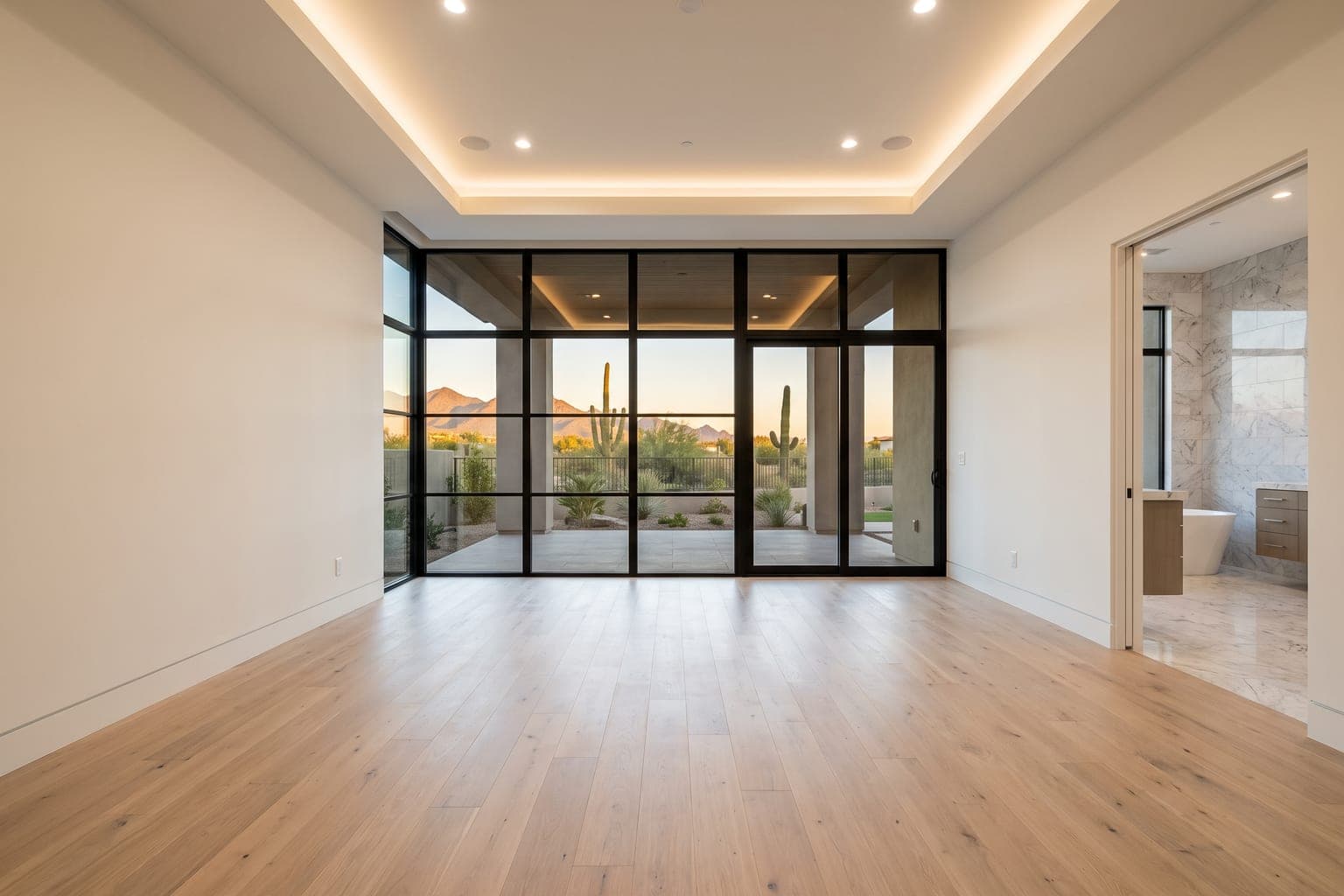 Before
 After
AfterVirtual staging is worth it for almost any vacant, empty or badly furnished listing. An AI-staged listing costs $2–$8 for eight photos; staged listings sell up to 73% faster and for 6–25% more than unstaged comparables in industry studies. On a $400,000 home, even a 1% price effect is $4,000 against a single-digit spend — a return no other line in a listing budget comes close to. It is not worth it for already well-furnished homes, and it is actively harmful if used to hide defects.
- AI staging, 8-photo listing
- $2–$8
- faster sale, staged vs unstaged
- 73%
- higher sale price in staging studies
- 6–25%
- ROI on a $400k home at just +1%
- 500x+
"Trust me, it works" isn't analysis, so here is the math from both sides — cost, return, and the cases where staging genuinely isn't worth the effort.
The cost side: nearly zero
An 8-photo vacant listing staged with AI costs $2–$8 (StageHQ credits) and perhaps 15 minutes of your time. Even with human-edited services at $192–$312 per listing, staging is a rounding error against a typical commission. The investment side of this equation has effectively collapsed since AI staging matured. (For a provider-by-provider price list, see how much virtual staging costs — this page is about whether it pays back.)
The return side: three compounding effects
1. Faster sales reduce carrying costs
Staged listings sell up to 73% faster in industry studies (sources in our virtual staging statistics roundup). For a vacant property, every week on market costs real money: mortgage interest, taxes, insurance, utilities, and price-cut pressure. If staging shaves even two weeks off a vacant listing, the seller saves hundreds to thousands of dollars — against a staging spend of under $10.
2. Better presentation supports the asking price
Staged homes sell for 6–25% more than unstaged comparables in staging research. Even at the conservative end, 1% on a $400,000 home is $4,000 — a 500x return on an $8 staging spend. The mechanism is mundane: furnished rooms photograph larger, warmer, and more memorable, which lifts both showing volume and offer psychology.
3. More clicks feed everything downstream
Portal algorithms and buyers both reward engagement. A staged lead photo earns more clicks; more clicks mean more saves, more showings, and more competitive tension. Listing marketing is a funnel, and staging widens the top.
The ROI table
| Listing price | Staging cost (AI, 8 photos) | Value of +1% sale price | Approx. ROI |
|---|---|---|---|
| $250,000 | $2–$8 | $2,500 | 300–1,200x |
| $400,000 | $2–$8 | $4,000 | 500–2,000x |
| $750,000 | $2–$8 | $7,500 | 900–3,700x |
| $1,500,000 | $2–$8 | $15,000 | 1,800–7,500x |
Virtual staging vs real staging
"Real staging" (physical staging) puts rented furniture in the property. Virtual staging puts furniture only in the listing photos. For the photos — the part of marketing that decides whether a buyer books a showing — virtual staging delivers the same visual result at roughly 1% of the cost of real staging ($2,000–$5,000+ per month for furniture rental, delivery and styling). Real staging still earns its keep at in-person showings of luxury homes, where buyers walk through empty rooms. Many agents do both: virtual for every listing's photos, physical only where the price band justifies it. Side-by-side method detail is in AI vs traditional virtual staging; provider prices are in the cost guide.
When virtual staging is NOT worth it
- Already-furnished, well-presented homes — staging adds nothing a good photographer doesn't already capture (though furniture removal and decluttering can still help busy rooms).
- Markets with effectively zero inventory where anything sells over ask in days — staging still helps price, but the speed benefit compresses.
- Misleading use — staging that hides defects or misrepresents the property creates liability that dwarfs any marketing gain. Disclose, always; the MLS rules are not optional.
For the core case — vacant or poorly furnished listings in competitive markets — the question isn't whether staging is worth it. It's why a $4,000 lever that costs $8 isn't already standard on every vacant listing you carry.
Run the experiment on your own listing
Stage 3 photos free, put one staged image at the front of your next vacant listing, and watch the click-through difference yourself.